African GODS, Maasai Tribe:
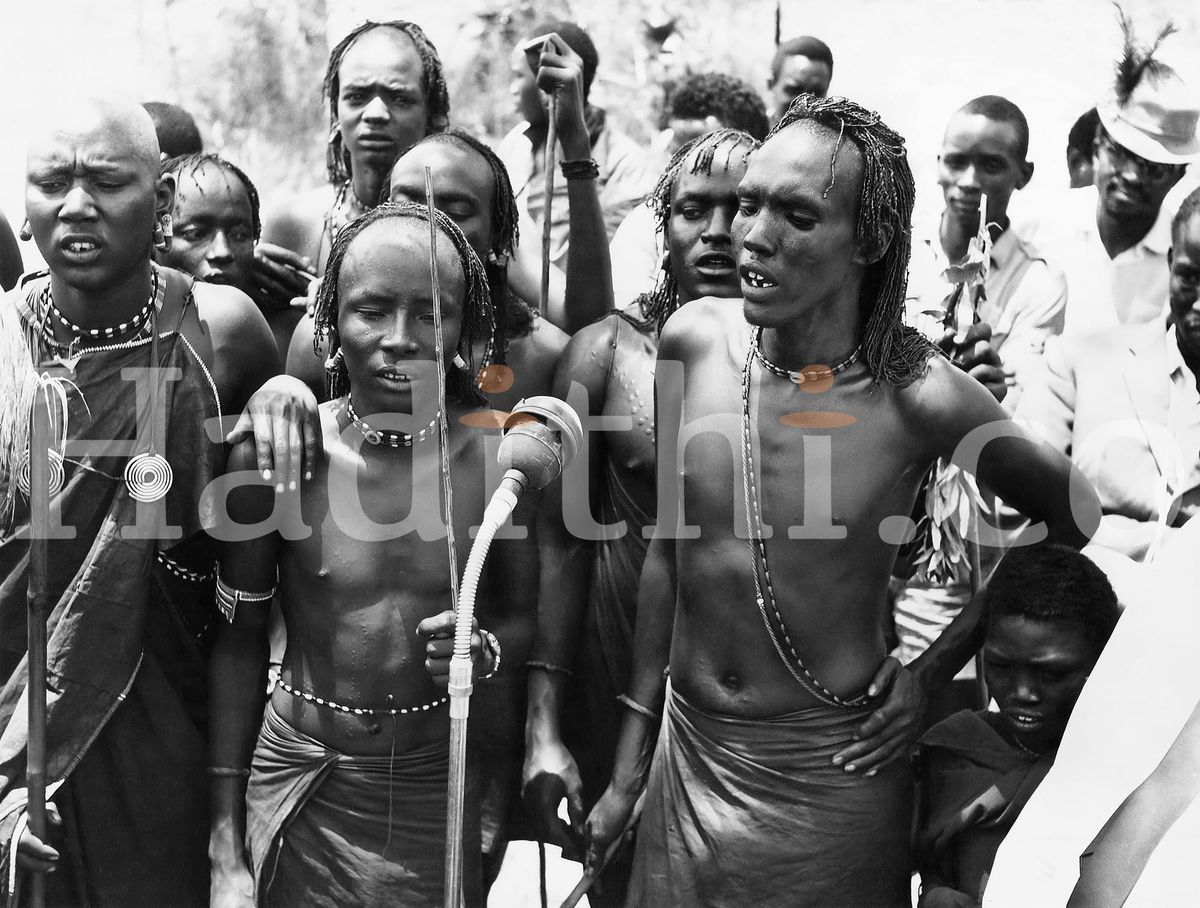
Background Introduction
The Maasai are a Nilotic ethnic group predominantly found in southern Kenya and northern Tanzania, renowned for their colorful attire, pastoralist lifestyle, and deep-rooted spiritual beliefs. Speaking the Maa language, they have managed to preserve much of their traditional culture despite the encroachment of modern influences. Historically, their livelihood has revolved around cattle herding, which is intricately tied to their cosmology, mythology, and spiritual identity. With a population of over one million in Kenya alone, the Maasai remain a distinct and resilient cultural group, revering cattle not only as economic resources but also as sacred gifts from God.
The Supreme Deity: Enkai
At the heart of Maasai spirituality lies Enkai (also called Engai), the singular, omnipotent deity. The Maasai are monotheistic, believing that Enkai is both the creator of the universe and its sustainer. Enkai governs everything—rain, fertility, life, and even death. This dual nature of Enkai reflects the Maasai worldview, where life is seen as a balance between blessings and hardships.
Enkai embodies two distinct aspects:
● Enkai Narok (The Black God): This aspect is benevolent, gentle, and associated with rain, thunder, and prosperity. He is the bringer of life and abundance.
● Enkai Na-nyokie (The Red God): This aspect represents wrath, bringing drought, famine, lightning, and disease. He serves as a reminder of the challenges and trials of life.
Rain is perceived as Enkai's most vital blessing. It feeds the grass, which nourishes the cattle, thereby sustaining the Maasai. Consequently, prayers for rain are common, and gratitude follows its arrival. The Maasai view the act of praying as a dialogue with Enkai, a way to maintain their relationship with the divine.
Origin of the Name 'Enkai' and Where Enkai Resides
The name "Enkai" translates to "God" or "Sky" in the Maa language. Traditionally, Enkai was believed to reside atop Mount Kilimanjaro, a sacred mountain that looms over Maasai territories. From this lofty home, Enkai watches over the earth and the Maasai people, ensuring their survival and prosperity. Over time, the sky itself came to symbolize Enkai's omnipresence, ever-watching and ever-guiding.
Places and Symbols of Worship
Unlike many Abrahamic religions, the Maasai did not construct temples or churches. Instead, they consider all of nature to be sacred. Worship can take place anywhere—under a sacred fig tree, around a fire at home, or in the open fields of their grazing lands.
Sacred Practices Include:
● Morning prayers facing North, East, and South—but never West, which symbolizes the end of yesterday and a fresh start with the new day.
● Evening prayers around the fire, where the community gives thanks for the day’s blessings.
● Sacred mountains likeMount Longido, where spiritual encounters are believed to occur.
● Grass, regarded as a holy object. It is held during blessings or shaken over people to invoke peace.
● Cattle are integral to rituals. They are often sacrificed to strengthen the connection between humans and the divine.
Who Leads Worship? The Laiboni and Olaiguenani
The Laibon (plural: Laiboni), also known as Oloibon, are the spiritual leaders and diviners within the Maasai community. Their roles are multifaceted, deeply embedded in the spiritual, social, and cultural fabric of Maasai life. They serve as vital links between the physical world and the spiritual realm, guiding their people through various challenges and milestones.
Roles of the Laiboni
- Healers:
○ The Laiboni are recognized as both herbalists and spiritual healers. They possess extensive knowledge of medicinal plants and their uses, allowing them to treat a variety of ailments. This healing process often combines physical remedies with spiritual rituals, reflecting the Maasai belief in the interconnectedness of body and spirit.
○ Their healing practices may include herbal medicine, spiritual cleansing rituals, and prayer, addressing both physical symptoms and underlying spiritual issues. This holistic approach ensures that the community views health as a balance of physical, emotional, and spiritual well-being.
- Prophets:
○ As prophets, the Laiboni interpret divine signs and omens, providing insights into the will of Enkai, the supreme deity. They are attuned to the natural world and believe that events such as weather changes, animal behavior, and even dreams can carry messages from the divine.
○ Their prophetic role is particularly significant during times of crisis, such as droughts, diseases, or conflicts. The community turns to them for guidance on how to navigate these challenges, seeking clarity and reassurance through their interpretations.
- Ritual Officiants:
○ The Laiboni serve as officiants during important ceremonies and rituals, such as weddings, initiations, and blessings. They lead prayers, offer sacrifices, and ensure that rituals are performed according to tradition, invoking Enkai's favor and blessings.
○ Their presence in these ceremonies is crucial; they bridge the gap between the community and the divine, facilitating a spiritual connection that reinforces cultural identity and social cohesion.
- Guides in Social and Political Decision-Making:
○ Beyond their spiritual duties, the Laiboni play a key role in the social and political landscape of the Maasai community. They advise elders and leaders on matters of governance, conflict resolution, and community welfare.
○ During times of crisis, such as disputes between clans or challenges to community resources, the Laiboni provide counsel based on spiritual insights. Their guidance helps maintain harmony within the community and ensures that decisions align with traditional values and beliefs.
The Tradition of Leadership
Traditionally, each Maasai clan had one Laibon, a position held in high esteem and passed down through specific families, often within the Nkidong’i region. This hereditary system ensures that spiritual knowledge and leadership qualities are preserved within the family lineage, allowing for continuity in spiritual practices and community guidance.
The Laiboni are not only spiritual leaders but also respected figures who embody the values and traditions of the Maasai people. Their authority is derived from their knowledge, experience, and ability to connect with the divine, making them essential to the Maasai way of life.
Collaboration with Olaiguenani
The Laiboni work closely with Olaiguenani, who are age-group leaders responsible for maintaining spiritual and moral discipline among their peers. The Olaiguenani play a crucial role in the social structure of the Maasai, as they guide their respective age sets through various life stages.
● Role of Olaiguenani:
○ The Olaiguenani are tasked with instilling ethical values and social responsibilities in younger members of the community. They lead discussions and activities that reinforce Maasai traditions, ensuring that cultural heritage is passed down through generations.
○ Their collaboration with the Laiboni enhances the spiritual education of the community, as the Olaiguenani often participate in rituals and ceremonies, learning from the Laiboni’s expertise while also contributing their perspectives on
The First Creation Story
In Maasai cosmology, Enkai created Leeyio (or Le-eyo)—the first warrior. Enkai endowed him with a special chant that could bring the dead back to life. Tragically, Leeyio used this powerful chant only after his own son had died, but by then, it was too late. His selfishness condemned humanity to mortality. This story serves as a poignant reminder of the consequences of personal choices and the importance of obedience to divine will.
The Divine Gift of Cattle
One of the most sacred myths within Maasai belief tells how Enkai lowered cattle from the sky using the aerial roots of the sacred wild fig tree. This act entrusted the cattle solely to the Maasai, marking them as God’s chosen custodians of these sacred animals.
To the Maasai, cattle represent:
● Wealth, Life, and Divine Favor: They are not just livestock but a central aspect of their identity and spirituality.
● Any pursuit outside of cattle herding—such as farming or fishing—was considered unworthy or even sinful.
● Grass, which feeds the cattle, is revered and treated with utmost respect.
No Maasai would willingly till the land or bury the dead in the ground, as it was too sacred. Instead, cattle play a central role in all major life events: initiation ceremonies, marriages, healing rituals, and funerals.
Rituals and Ceremonies
Life among the Maasai is a series of spiritual milestones, each marked by elaborate and significant rituals:
1. Rites of Passage
● Enkipaata: A ceremony that prepares young boys for warriorhood.
● Eunoto: A transition ritual from junior to senior warriors.
● Ekipolon: This marks the transition for girls into womanhood.
● Each rite involves circumcision, prayers, blessings, and communal feasts to celebrate the milestones.
2. Blessing Ceremonies
● These are held during significant life events like births, marriages, or community gatherings.
● Ceremonies often include chants, offerings of milk or blood, and prayers led by elders, invoking Enkai's blessings upon the participants.
3. Healing Rituals
● Conducted by Laiboni and herbalists, these rituals focus on spiritual cleansing and the use of plant medicine to treat various ailments.
4. Seasonal Ceremonies
● The Olpul ceremony involves communal feasting and rituals asking Enkai for rain and abundant pasture for the cattle, reflecting the Maasai's deep connection to the natural cycles.
Divination and Tools of Prophecy
Divination plays a vital role in Maasai spirituality, guided by the Laibon. These seers use various methods to gain insights into the will of Enkai and to provide guidance for the community. Common divination practices include:
● Reading Entrails: This method involves examining the entrails of slaughtered animals, such as goats, to interpret omens and divine messages.
● Oracle Stones: Specific stones are used in rituals, and their arrangement or markings are analyzed for insights.
● Cow Horn Throws: Stones thrown from a cow's horn are used to reveal the intentions of Enkai or the spirits.
● Dream Analysis: Dreams are seen as messages from the spiritual realm, and the Laibon interprets their symbolic significance.
During times of drought, disease, or misfortune, the Laibon conducts these rites to diagnose the causes and suggest spiritual remedies.
The Role of Medicine Men
In addition to spiritual leaders, the Maasai also had herbalists who worked closely with Laiboni. These medicine men diagnosed ailments using traditional knowledge and provided plant-based cures for both physical and spiritual issues. Their work was vital in the community, as they blended healing with spiritual practices.
Spirits and the Afterlife
The Maasai believed each person was assigned a guardian spirit at birth. Upon death, the fate of individuals was determined by their actions in life:
● The good were taken to a lush land filled with green pastures and abundant cattle.
● The evil were carried away to a barren desert, symbolizing their choices in life.
Types of Spirits:
● Ilikunyi: These are the spirits of ancestors who protect and guide the living.
● Nature Spirits: Associated with natural elements like rivers, mountains, and forests, these spirits inhabit and guard sacred places.
Ancestor veneration was an essential aspect of Maasai spirituality. When traveling, they would often pray, "Ningwesi ilikunyi aingoru entoki enaa," meaning, "May our ancestors go ahead of us and prepare the way."
Animal Symbols and Mythical Lessons
Animals hold significant symbolic value in Maasai mythology:
● Lion (olng’etuny): Represents strength and courage, often associated with the warrior class (Morans).
● Hyena (olborgon): Depicted negatively, representing deceit and cowardice.
● Sheep or cow: A foolish person might be mockingly referred to as “enkishu” (cow), reflecting societal values and behaviors.
These stories and comparisons serve not only to explain the natural world but also to instill moral lessons and cultural teachings within the community.
Conclusion: The Living Faith of the Maasai
For the Maasai, religion is not a separate entity from life; rather, Enkai is a living force present in every blade of grass, every raindrop, and every cow’s bellow. Through the sacred duties of the Laiboni, the rituals of passage, and the ever-present cattle, the Maasai have created a vibrant spiritual world that continues to thrive today across the high plains of East Africa.
Their worship is not confined to walls, nor are their prayers bound to books; instead, it flows in the wind, resonates within the mountains, and echoes in the rhythm of their footsteps on sacred earth.