The Abaluhya People and Their Living Traditions
Introduction: A People of Diversity and Continuity
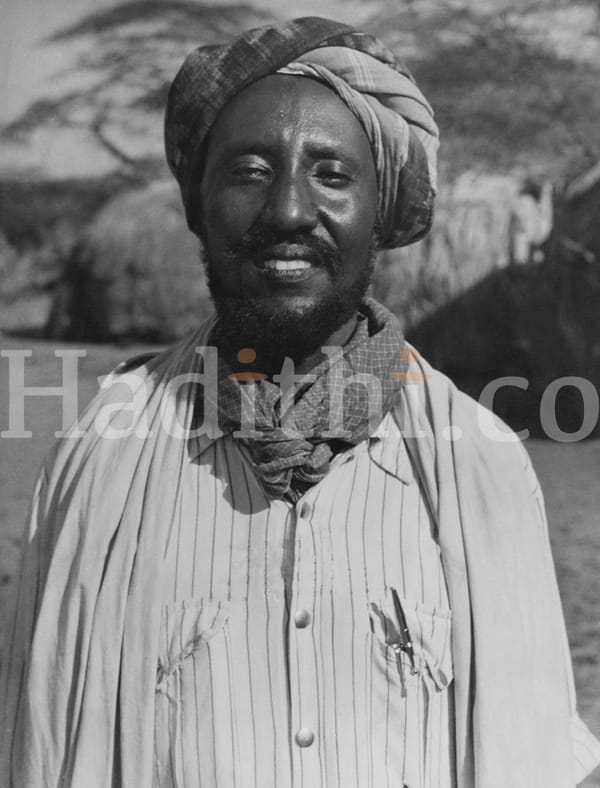
The Abaluhya or Luhya people of western Kenya are one of East Africa’s most complex and internally diverse ethnolinguistic communities. As Kenya’s second-largest Bantu-speaking group, the Abaluhya comprise more than eighteen distinct sub-tribes, including the Bukusu, Maragoli, Wanga, Tiriki, Isukha, Idakho, Kabras, Tachoni, Banyala, Samia, and others, each with its own dialect and clans. Yet despite this diversity, the Abaluhya share deep cultural continuities rooted in common linguistic structures, ritual systems, moral philosophy, and social institutions.
Rather than a single unified “tribe” in the precolonial sense, the Abaluhya represent a cluster of related societies whose unity emerged gradually through migration, interaction, colonial reclassification, and later political mobilization. Their history illustrates how African identities are not fixed but dynamic, negotiated, and adaptive. Across centuries of movement, colonial disruption, religious transformation, and postcolonial change, the Abaluhya have maintained a living cultural rhythm, one that binds many clans into a shared sense of belonging without erasing any difference.
Origins, Migration, and the Deep Past
Linguistic, archaeological, and genetic evidence firmly situate the Abaluhya within the broader Great Bantu Migration, a population movement that began in West-Central Africa near the modern Nigeria–Cameroon border. As Bantu-speaking groups expanded eastward and southward, they introduced iron smelting, pottery technologies, and mixed farming systems, transforming the societies they encountered.
Abaluhya oral traditions, however, preserve an additional layer of historical memory. Many sub-tribes recount migration from a northern place known as Misri, often identified with Egypt or a distant Nile-region homeland. While historians interpret Misri symbolically rather than literally, these narratives reflect collective memories of long-distance movement, displacement, and interaction with Nilotic and Cushitic populations in the Upper Nile and Great Lakes regions.
By the fifteenth to nineteenth centuries, various Abaluhya ancestors moved from eastern and central Uganda, particularly the Bunyoro and Buganda regions, into western Kenya. The Mount Elgon area served as a major dispersal hub, from which groups such as the Bukusu and Tachoni moved outward. Settlement patterns were shaped by ecology, security, and kinship, resulting in autonomous communities occupying what are now Kakamega, Bungoma, Busia, and Vihiga counties.
From Clans to Collective Identity
Before the twentieth century, Abaluhya identity was fundamentally local. People identified first with their clan (oluyia), lineage, and sub-tribe rather than with a broader ethnic label. Governance was decentralized, meaning that authority, decision-making, and administrative power were not concentrated in a single, overarching ruler or capital city, but were instead distributed among various smaller, localized, and autonomous units. Land was managed communally, and political authority rested with councils of elders. The only exception was the Wanga Kingdom, which developed a centralized monarchy under the Nabongo (king) as early as the sixteenth century.
The umbrella identity “Abaluhya” is therefore a relatively modern construct. British colonial administrators grouped diverse Western Kenyan Bantu communities under labels such as “North Kavirondo” or “Kavirondo Bantu” to simplify taxation, labor control, and census-taking. These externally imposed categories reduced complex identities into simplified labels that often carried derogatory connotations.
In response, educated African intellectuals in the 1930s and 1940s actively reappropriated identity. Organizations such as the North Kavirondo Central Association and the Abaluhya Welfare Association promoted the name Abaluhya, commonly interpreted as “people of the same hearth,” as a unifying political and cultural banner. What began as colonial classification was transformed into an instrument of solidarity, resistance, and later post-independence mobilization.
Clan Organization and Social Structure
The clan system remains the foundational pillar of Abaluhya society. Clans are patrilineal, exogamous kinship groups tracing descent from a common male ancestor. Each clan possesses its own genealogies, praise names, and often totem animals, birds, or plants that symbolize identity and moral obligations.
Clans regulate nearly every aspect of life: land allocation, marriage, inheritance, dispute resolution, and ritual conduct. Elders (abakulu be luyia) serve as custodians of tradition and arbiters of justice, meeting in communal assemblies often under large trees to deliberate matters affecting the community. Authority is moral rather than coercive, rooted in age, wisdom, and consensus.
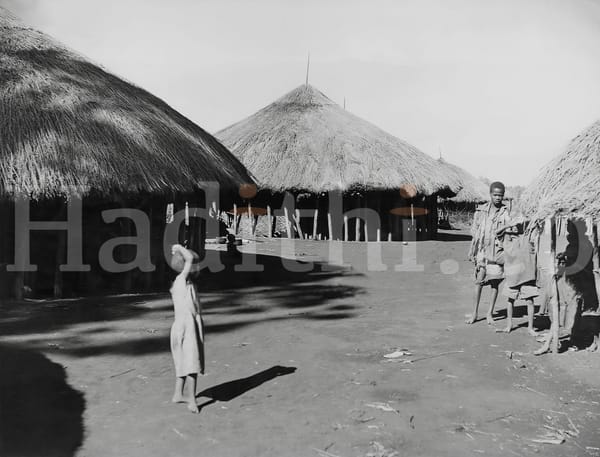
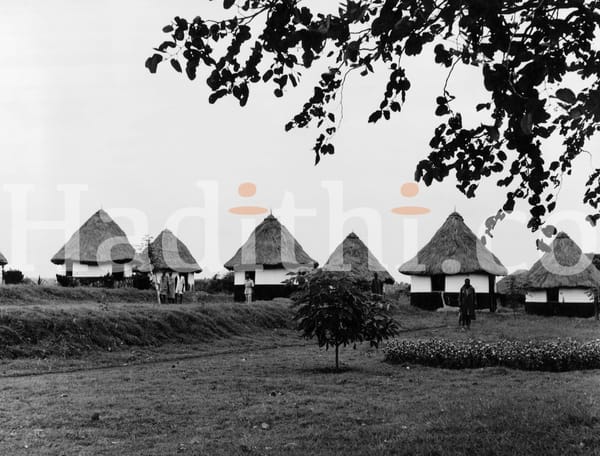
The Abaluhya homestead (olukoba) reflects this social organization spatially. Extended families live in compounds arranged according to strict hierarchies of seniority, gender, and marital status. Beyond being a physical dwelling, the olukoba symbolizes continuity, ancestry, and the “same hearth” from which Abaluhya identity draws its name.
Marriage, Family, and the Reproduction of Society
Marriage among the Abaluhya is not merely a personal union but a central social institution through which clans reproduce themselves biologically, economically, and politically. The defining principle is strict clan exogamy: marriage within one’s own clan is prohibited and considered incestuous regardless of genealogical distance. This rule fosters inter-clan alliances, prevents internal conflict, and expands social networks across sub-tribes.
Traditionally, marriage is formalized through the payment of bridewealth, usually in cattle or their monetary equivalent. Bridewealth is not a purchase but a symbolic transaction that legitimizes the union, affirms the transfer of reproductive rights, and binds two families into a lasting relationship. The ability to pay bridewealth historically determined a man’s social standing and marriage prospects.
Polygyny was widely practiced and socially valued. A man with multiple wives and many children was seen as wealthy and influential. Each wife maintained her own house, granary, and fields within the homestead, forming semi-autonomous units under the authority of the husband. Polygyny enhanced agricultural productivity, ensured labor availability, and provided social security in cases of infertility or widowhood.
Marriage also structured gender roles. Men controlled land and lineage continuity, while women were central to agriculture, child-rearing, and ritual life. Although colonialism, Christianity, education, and urbanization transformed marital norms, introducing monogamy, legal marriage, traditional principles of clan exogamy, bridewealth symbolism, and family obligation continue to shape Abaluhya marriages today.
Age-Sets, Initiation, and Moral Education
Age-set systems (bibingilo or riika) organize Abaluhya society across generations, particularly among the Bukusu, Tachoni, and Tiriki. Male circumcision marks the transition from childhood to adulthood and enrolls initiates into named age-sets that span approximately twelve to fifteen years. These cohorts move through life stages together, sharing responsibilities, privileges, and collective memory.
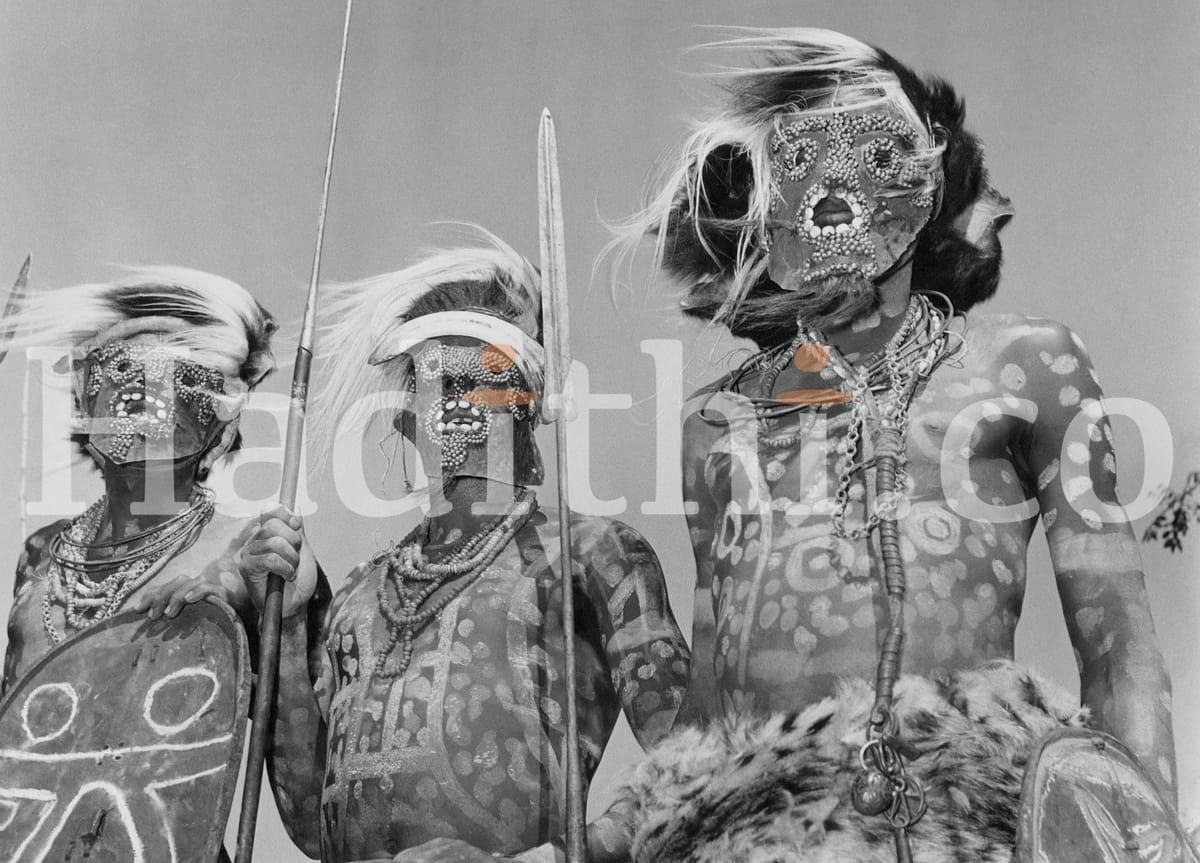
Public circumcision rituals, especially Imbalu among the Bukusu, are dramatic communal events emphasizing bravery, endurance, and moral discipline. Music, dance, and ritual instruction accompany the ceremonies, embedding individual transformation within collective identity. Age-sets historically functioned as military units, labor organizers, and mechanisms of social accountability
Religion, Ritual, and Syncretism
Traditional Abaluhya religion centers on belief in a supreme creator (Were or Nyasaye) and ancestral spirits, who mediate between the living and the divine. Sacred groves, hills, and trees functioned as ritual spaces, while sacrifices and offerings ensured fertility, health, and communal harmony.
Christianity spread rapidly in the colonial era through Catholic, Protestant, and Quaker missions. Yet conversion rarely erased indigenous belief systems. Instead, many Abaluhya communities developed syncretic practices blending Christian theology with ancestral cosmology. The Dini ya Msambwa movement, founded by Elijah Masinde, exemplifies this synthesis, combining biblical language, traditional ritual, and anti-colonial resistance.
Colonial Disruption and Cultural Resilience
British colonial rule profoundly reshaped Abaluhya society. Decentralized governance was replaced by appointed chiefs, land tenure systems were dismantled, and communal agriculture was reorganized around cash crops. The Swynnerton Plan of 1954 accelerated land privatization, fragmentation, and inequality, producing long-term economic consequences.
Yet Abaluhya culture proved resilient. Rituals adapted, age-sets persisted, and indigenous knowledge systems coexisted with formal education. Music and dance, particularly Isukuti, which is now recognized by UNESCO as being in urgent need of safeguarding due to a decline in practitioners, a lack of transmission to younger generations, and threats of extinction. They continue to transmit history, values, and communal identity across generations.
Postcolonial Identity and Contemporary Life
Since independence, Abaluhya identity has operated at multiple levels: clan, sub-tribe, and ethnic collective. Despite being the second-largest ethnic group, political marginalization has often hindered unified leadership, yet cultural institutions, councils of elders, naming practices, funerary rites, cuisine, and ritual performance remain vibrant markers of belonging.
Modern Abaluhya life reflects continuity within change. Urbanization, Christianity, and globalization have transformed social norms, but the “same hearth” endures as a powerful metaphor for unity amid diversity.
Conclusion: One Rhythm, Many Voices
Formed through migration, interaction, and historical change, they are a diverse collection of clans and sub-tribes bound together by shared language, moral values, and social institutions rather than centralized political power. They have never been static in their identity, and this has been influenced by the native culture and outside influences of colonialism, Christianity, and modernization.
Although these changes are occurring, traditional patterns of practice, such as the structure of clans, marital regulations, age-set initiations, rites of passage, and expression culture still support social cohesion and pass collective memory. The Abaluhya notion of people of one fire/hearth is still a compelling sense of belonging, which encapsulates the notions of diversity, continuity, and the ability to adapt to the same living cultural beat.
Works Cited
Makila, Fred W. An Outline History of the Babukusu of Western Kenya. Kenya Literature Bureau, 1978.
Ochieng’, William R., editor. Themes in Kenyan History. East African Educational Publishers, 1990.
Ranger, Terence. “The Invention of Tradition in Colonial Africa.” The Invention of Tradition, edited by Eric Hobsbawm and Terence Ranger, Cambridge UP, 1983, pp. 211–262.
Swynnerton, R. J. M. A Plan to Intensify the Development of African Agriculture in Kenya. Government Printer, 1954.
Were, Gideon S. A History of the Abaluyia of Western Kenya: From c. 1500–1930. East African Publishing House, 1967.
Were, Gideon S. “The Dini ya Msambwa Religious Movement in Kenya.” Journal of African History, vol. 7, no. 1, 1966, pp. 133–147.