Understanding the Abakuria: A Study of Culture and Adaptation
Introduction: A Borderland People and the Making of Identity
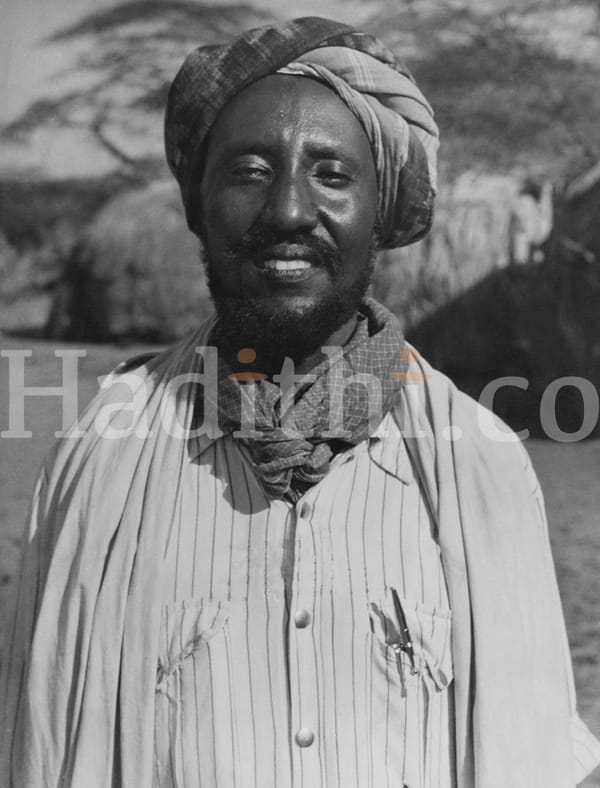
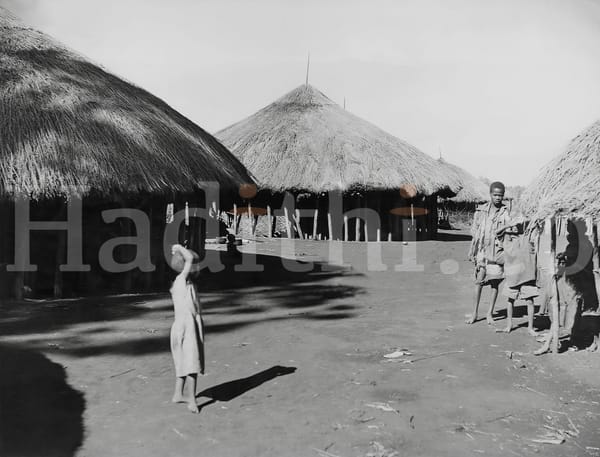
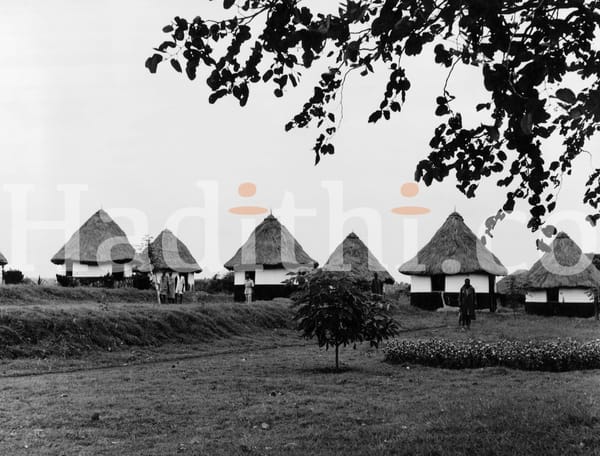
The Abakuria, also known as the Kuria, are a Bantu-speaking agro-pastoralist people inhabiting the borderlands of southwestern Kenya and northern Tanzania, present-day Migori County in Kenya, and the Mara Region in Tanzania. Their homeland is ecologically diverse, consisting of open grasslands, river valleys, and forested highlands, and historically unstable due to migration, cattle raiding, and colonial boundary making. and a theater of conflict between Bantu and Nilotic communities.
Unlike centralized African societies such as Buganda, the Abakuria never developed a hereditary monarchy or centralized state. Instead, they formed a decentralized but highly structured society governed through clans, councils of elders, age-sets, ritual specialists, and warrior institutions.
This decentralized system proved remarkably resilient, allowing the Abakuria to absorb external pressures while maintaining a logical and consistent cultural identity. Preserved largely through oral tradition, their history offers critical insight into how non-state societies organized power, morality, and survival in pre-colonial Eastern Africa.
Origins, Migration, and the Cultural Memory of Misiri
Abakuria oral traditions consistently locate ancestral origins in a distant northern homeland known as Misiri. Popularly associated with Egypt or the Nile Valley, Misiri is best understood not as a literal geographical claim but as a symbolic memory of north-to-south migration. Similar narratives appear among neighboring Bantu communities such as the Abagusii, Bukusu, and Ameru, suggesting a shared migratory consciousness rather than an isolated myth.
Linguistic and comparative historical evidence places the Abakuria within broader Bantu dispersals from the Mount Elgon–Upper Nile region between the sixteenth and seventeenth centuries. These movements were likely driven by population pressure, ecological stress, intergroup conflict, and the search for arable land and pasture. As they migrated, Abakuria ancestors interacted intensively with Nilotic groups, particularly the Maasai and Luo, absorbing elements of cattle culture, age-set organization, and martial practices.
As they moved southward, the Abakuria traveled alongside or came into sustained contact with Bantu neighbors such as the Gusii and Luhya, as well as Nilotic groups including the Maasai and Luo. These interactions profoundly shaped the Abakuria language, age-set organization, cattle culture, and warfare practices. By approximately 1500's–1700's, the Abakuria had settled in the Lake Victoria basin, particularly along the Mara River, whose reliable water supply and defensible highlands offered both economic security and military advantage
Early settlement centers, such as Korea Hill near present-day Musoma, played a key role in this process. The inhabitants of this area were initially referred to as the “Korea people,” a name derived from the hill itself and one that gradually evolved into Kuria. It was within these early settlements that Abakuria's identity took clearer shape, as shared ritual practices, kinship structures, linguistic norms, and collective memory helped transform diverse migrant groups into a unified people.
Language: Ekuria and Its Dialects
The Abakuria speak Ekuria, also known as Kikuria, a Bantu language that is closely related to Ekegusii and certain Luhya dialects. These linguistic similarities point to long-standing historical ties between the Abakuria and other Bantu communities in western Kenya. At the same time, prolonged contact with Nilotic groups such as the Maasai and Luo left noticeable influences on Ekuria, particularly in its vocabulary, pronunciation, and social terminology.
Ekuria is not the same everywhere; it has different dialects that match the distribution of clans and territories. While people from different regions can understand each other, there are small, specific variations in pronunciation and phrasing that show which clan or area someone comes from.
Major dialect groups line up with clan clusters, such as Iregi (spoken by the Abairegi), Basi (linked to Abanyabasi), Gumbe (connected to Abagumbe), Chuma (tied to Abachuma lineages), and Timbaru (more common on the Tanzanian side). These variations are important for identity; they mark family roots, historical migration paths, and local pride. In important rituals, like circumcision ceremonies or elder meetings, people often use the special dialect words from their own clan to keep the connection to ancestors strong and authentic.
Mokuria: Ancestor, Seer, and Architect of Social Order
Central to Abakuria's historical consciousness is Mokuria (or Mukuria), the legendary ancestor of the community. In oral tradition, Mokuria is remembered not merely as an ancestor, but as a seer, ritual authority, medicine man, and lawgiver whose wisdom laid the moral and institutional foundations of Kuria society.
Mokuria is said to have had two wives, whose descendants formed the two overarching divisions of the Abakuria:
- Abasai, descended from the elder wife
- Abachuma, descended from the younger wife
From Mokuria’s sons emerged the major Abakuria clans, including Abanyabasi, Abatimbaru, Abanyamongo, Abakira, Abairegi, Abakenye, Abanchaari, and Abagumbe. These clans spread across the Kenya–Tanzania border while retaining ritual unity and a shared ancestral narrative.
Beyond lineage and ancestry, Mokuria is credited with instituting the core pillars of Abakuria society:
- circumcision for both boys and girls as a rite of passage
- clan-based land tenure and marriage regulation
- age-set and generation-class organization
- and the distinctive institution of Nyumba Ntobhu, or woman-to-woman marriage
In Kuria cosmology, Mokuria represents social order itself, a figure whose authority legitimizes custom, law, and moral obligation.
Clan Structure, Totemism, and Lineage Authority
Abakuria society is fundamentally patrilineal and clan-based. Clans (ibiaro) form the basic units of social, political, and ritual life. In Kenya, the four principal clan groupings are Abagumbe, Abairege (Bwirege), Abanyabasi (Wabanyasi), and Abakira (Wakira), while in Tanzania, the clan structure is more expansive, including Abatimbaru, Abakenye, Abapemba, Wasweta, and others.
Clans form the backbone of social life. They regulate:
- land ownership and inheritance
- marriage alliances
- ritual cooperation and sacrifice
- conflict resolution and political arbitration
Among the Abakuria, clan identity is further strengthened through symbolic associations with specific animals, plants, or natural features believed to protect and guide the lineage. These symbols function as markers of identity and ancestral connection, guiding behavior and reinforcing shared values. Members are typically prohibited from killing or consuming the animal linked to their clan. For instance, the Abakira clan associates itself with the elephant (Inchugu), which represents strength, memory, and ancestral protection. Such practices promote moral discipline, respect for the natural environment, and a sense of continuity between past and present generations.
Generation Classes and the Age-Set System
Abakuria society is organized using two related systems: generation classes (Amakora) and age-sets (Esaro/Bisaro).
The generation system is divided into two alternating cycles, Monyasae and Monyachuma. Each cycle contains four generations, with leadership and social authority passing from one generation to the next about every twenty-five years. This system helps maintain balance in society and prevents any one generation from holding power for too long.
Age-sets are formed through initiation ceremonies and group people of similar age together for life. These groups guide important aspects of social life, including who one can marry, participation in community work and rituals, and, in the past, involvement in warfare. Individuals are not allowed to marry someone from the same age-set or generation class, a rule that strengthens unity across families and clans.
Saro and the Warrior Institution (Abamura)
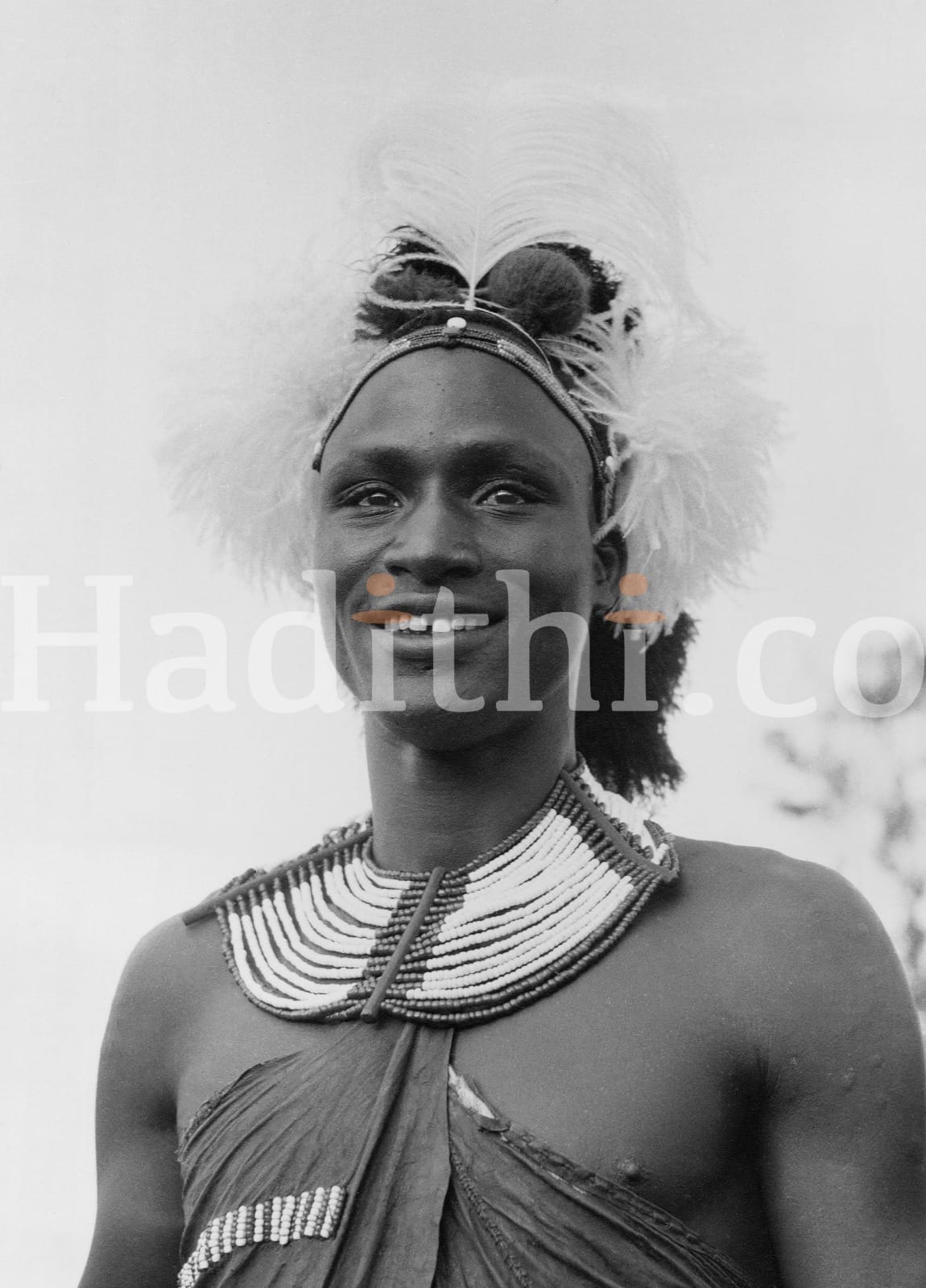
Initiation (saro) through circumcision marks the transition from childhood to adulthood in Abakuria society. For boys, this process leads to membership in the warrior group known as the Abamura. Traditionally, the Abamura were responsible for defending the community, protecting cattle, and participating in organized cattle raids, which were considered an accepted part of social life.
In the past, cattle raiding was a regulated activity rather than uncontrolled violence. It was closely linked to wealth, bridewealth, and the formation of a masculine identity, with elders authorizing raids and resolving conflicts. Over time, however, this practice changed. As Michael Fleisher explains in Cattle Raiders: Violence and Vigilantism on the Tanzania/Kenya Frontier (2000), cattle raiding among the Kuria developed in a border region that functioned as a contested frontier rather than a strictly controlled state boundary.
In this context, the Tanzania–Kenya border was not simply a fixed geographical line but a zone where government authority was weak and inconsistent. This limited state control allowed local customs, traditional institutions, and illicit economic activities such as cattle raiding to operate with little regulation. Fleisher argues that these conditions transformed raiding into a profitable economic strategy and a way for young men and communities to assert power, while also contributing to the increased violence seen in contemporary raids.
Marriage, Gender, and the Institution of Nyumba Ntobhu
Marriage among the Abakuria traditionally required substantial bridewealth, often between twenty and twenty-five cattle. Polygyny was common, and social status was closely linked to livestock ownership, household size, and lineage continuity.
One of the most distinctive Abakuria institutions is Nyumba Ntobhu (“house of women”), a non-sexual woman-to-woman marriage system. Under this arrangement:
- a childless or widowed woman married a younger woman
- Bridewealth was paid in cattle
- The younger woman bore children with a male partner of her choosing
- The children legally belonged to the older woman’s lineage
Nyumba Ntobhu enabled women to secure inheritance, social authority, and lineage survival within a patriarchal system, illustrating the flexibility and pragmatism of Abakuria social organization.
Religion, Cosmology, and Ritual Specialists
Traditional Abakuria religion and cosmology were deeply connected to everyday life and the homestead. The Abakuria believed in a single supreme being known as Nyanokwe, who was seen as the creator and source of life. Spiritual balance was understood through nature, with good times described as “cool” and periods of misfortune as “hot.” Ancestral spirits were believed to influence daily events, and strict observance of taboos was required to avoid illness or disaster. Certain natural elements, including snakes and sacred trees like the gitontera, were respected as symbols of blessing and cultural identity.
Religious authority was decentralized and managed by elders and ritual specialists rather than kings. The Abarooti acted as seers who interpreted the will of God and the ancestors, while councils of elders (Ritongo) handled law, order, and major rituals. Other specialists, such as rainmakers and medicine men, addressed environmental and spiritual challenges. Rituals marked key life stages, especially saro, the initiation into adulthood, and later isubo, which elevated elderly men to senior ritual status.
Although the Abakuria society was patriarchal, women played important ritual roles, particularly in marriage, childbirth, and lineage continuity. Over time, Christianity has influenced these practices, reducing the authority of traditional specialists while still coexisting with many indigenous beliefs.
Colonial Disruption and Cultural Adaptation
Colonial rule had a major impact on Abakuria society. The creation of the Kenya–Tanzania border split clans and limited long-standing patterns of movement and interaction. Colonial authorities also criminalized cattle raiding, introduced taxation, and weakened the authority of elders, while missionary activity and formal education challenged indigenous beliefs and social practices.
Despite these changes, the Abakuria demonstrated resilience and adaptability. Traditional courts continued to function alongside colonial and post-colonial legal systems, and clan identity and age-set organization remained important. Economic pressures also led to social adjustments, including the expansion of women’s economic roles and the adoption of cash crops. Research on Kuria–Maasai relations indicates that both conflict and cooperation continued during and after the colonial period, reflecting the community’s ability to adapt to changing political conditions.
Conclusion: Survival Without Kings
The history and social organization of the Abakuria challenge common assumptions about political authority and social complexity in African societies. Rather than being fragmented or lacking structure, the Abakuria developed a flexible and effective system of governance based on kinship, age-sets, ritual authority, and shared moral values rather than centralized kingship. This decentralized organization, often misunderstood by colonial administrators, allowed the community to respond adaptively to migration, environmental uncertainty, inter-ethnic interaction, and later colonial intervention.
Although colonial rule disrupted Abakuria's life through imposed borders and administrative controls, it did not erase indigenous institutions. Clan identity, age-set cohesion, customary law, and ritual practices persisted and were reshaped to meet new social and economic realities. The Abakuria experience demonstrates that political legitimacy and cultural resilience can emerge from consensus and adaptability, offering an important perspective on how African societies sustained continuity and meaning in changing historical contexts.
WORKS CITED
Akama, John S. The Kuria of East Africa: History, Culture, and Social Organization. East African Educational Publishers, 1998.
Barrett, Hazel R. “Migration, Identity, and Conflict among the Kuria of Kenya and Tanzania.” Journal of Eastern African Studies, vol. 5, no. 2, 2011, pp. 234–252.
Biesele, Megan. “Age-Sets and Social Organization in Eastern African Societies.” Africa: Journal of the International African Institute, vol. 48, no. 3, 1978, pp. 289–302. JSTOR, www.jstor.org/stable/2803228.
Fleisch, Axel. Performing Ethnicity: Age, Gender, and Ritual among the Kuria. University of Bayreuth African Studies Series, 2002.
Google Arts & Culture. “Traditional Ceremonies, Music, and Dance of the Kuria.”National Museums of Kenya, Google Arts & Culture, artsandculture.google.com.
“The Saro Ritual: Coming of Age among the Kuria.”National Museums of Kenya, Google Arts & Culture, artsandculture.google.com.
“Nyumba Ntobhu: Marriage between Women among the Kuria.”National Museums of Kenya, Google Arts & Culture, artsandculture.google.com.
Håkansson, N. Thomas. “Bridewealth, Gender, and Social Continuity among the Kuria.” Ethnology, vol. 27, no. 1, 1988, pp. 43–58. JSTOR.
Kenyatta, Jomo. Facing Mount Kenya. Secker & Warburg, 1938.(Comparative reference for age-sets, initiation, and Bantu cosmology in central and western Kenya.)
National Museums of Kenya. Cultures of Kenya: The Kuria. Nairobi, Government Printer, 2005.
Nyamweru, Celia. “Women, Kinship, and Property among the Kuria.” Africa Today, vol. 32, no. 3, 1985, pp. 35–52. JSTOR.
Ogot, Bethwell A. History of the Southern Luo. East African Publishing House, 1967.
Were, Gideon S., and Derek A. Wilson. East Africa through a Thousand Years. Evans Brothers, 1972.