AFRICAN GODS: The Suba People:
Introduction
The Suba people, part of the Bantu ethnic group, are predominantly located in the western part of Kenya, specifically in Nyanza Province. They are regarded as one of the last groups to settle in Kenya, having migrated from neighboring Uganda. This article explores the diverse aspects of Suba culture, including their beliefs in gods and spirits, social practices, and traditional rituals, revealing a rich tapestry of heritage and spiritual significance.
Historical and Cultural Background
Origins
There are assertions that the Suba people descended from the Baganda or Basoga tribes and migrated to their current location through various routes, displacing the Wasaki Luo people. The term “Suba” is derived from the Ugandan word “zuwa,” which means “foreigner.” This reflects an identity forged from migration and adaptation. Key geographical locations include Mfangano Island and Rusinga Island in Lake Victoria.
Language
The Suba speak a Bantu language distinct from the Luo language, which is Nilotic. This linguistic difference highlights the Suba's unique cultural identity, even amid the intermarriage and cultural exchange with the Luo community. Many argue that their intermarriage with the Luo made one side adopt the “Dholuo “language.
Livelihood
The Suba people primarily sustain themselves through fishing, a practice embraced by both men and women. Additionally, they engage in small-scale agriculture, cultivating a variety of crops, including maize, millet, potatoes, cassava, and beans. This blend of subsistence strategies illustrates their adaptability to the rich resources of their environment.
Social Practices
Circumcision
Circumcision is a vital cultural rite within the Suba community, practiced on both boys and girls, although the female procedure is less common and confined to certain clans. This rite is seen as a passage to adulthood, granting individuals the privilege to access sacred spaces and participate in significant community events.
Spiritual Beliefs
Supreme Being and Higher Powers
The spiritual worldview of the Suba encompasses belief in a hierarchy of deities, including a supreme creator known as Katonda. This creator god is viewed as aloof from the daily concerns of humanity, focusing instead on the greater cosmic order. Other names for God include Eriwua, highlighting His role as the creator of the earth and everything within it, and Kayuwa, which signifies "God's eye," indicating a divine presence associated with the sun.
The Suba also hold beliefs in numerous lower gods and spirits, venerating ancestors and relying on traditional medicine and sorcery. Ritual sacrifices, particularly animal sacrifices, play a crucial role in appeasing these spirits and gods, especially during rainmaking ceremonies conducted at special shrines known as Ekibaga.
Rainmaking Ceremonies
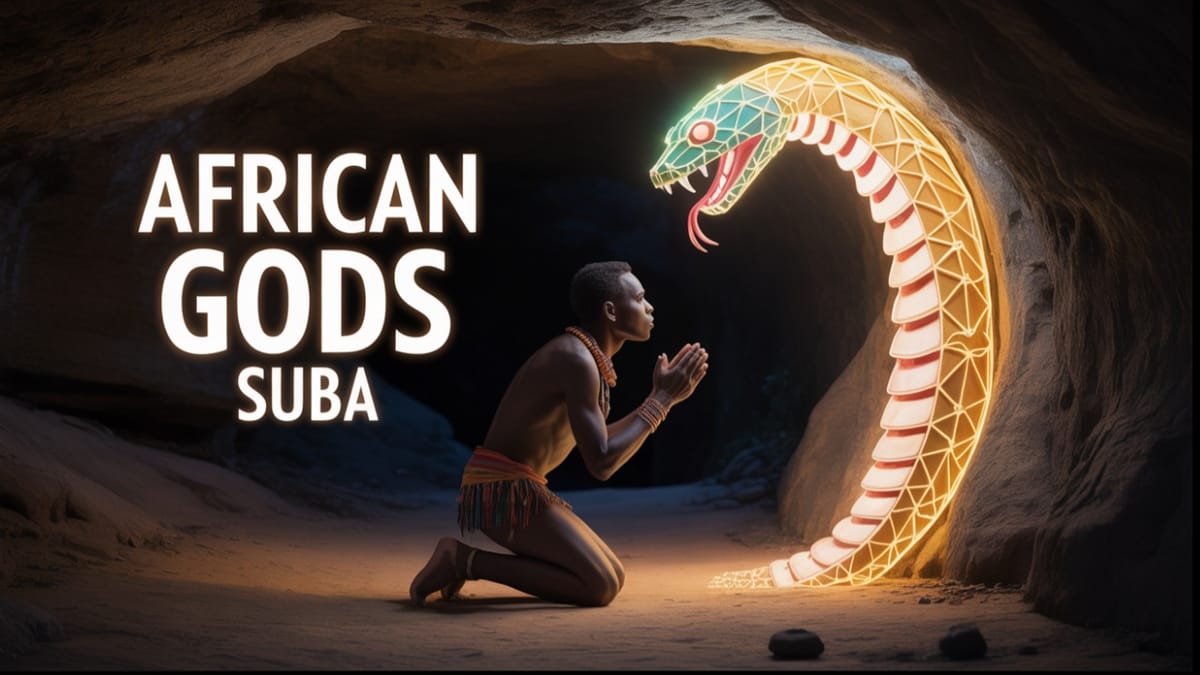
Ceremonies to invoke rain hold significant importance among the Suba. These are often conducted in historic rock art sites such as Kwitone, Kakiimb, and Mawanga caves on Mfangano Island. Pythons and other serpents are revered, believed to serve as manifestations of clan spirits residing among the community.
The Suba people indeed have a significant relationship with pythons, particularly as they relate to rainmaking ceremonies and broader spiritual beliefs. Here are some detailed aspects of Python worship and their cultural significance within the Suba community:
Pythons in Suba Culture
- Sacredness:
- Pythons are regarded as sacred creatures in Suba tradition, embodying spiritual guardianship. Their presence in the environment is often interpreted as an indicator of well-being and fertility.
- Rainmaking Ceremonies:
- Specific ceremonies are conducted to invoke rain, where pythons may be incorporated as spiritual symbols. Communities believe that the snakes can influence weather patterns and are revered during these rituals.
- Connection to Ancestors:
- Pythons are sometimes viewed as manifestations of ancestral spirits. The reverence for these creatures helps foster a link between the living community and their ancestors, reinforcing social and spiritual bonds.
Ritual Practices
- Animal Sacrifices:
- During ceremonies, offerings, including animal sacrifices, may be made to appease the pythons, invoking their protection and favor for good rains or harvests.
- Cultural Narratives:
- Myths and legends surrounding pythons help shape the community’s understanding of their spiritual significance. These narratives often emphasize themes of respect, protection, and harmony with nature.
Conservation and Coexistence
- Cultural Respect Leading to Protection:
- The sacred status of pythons can lead to local conservation efforts, encouraging communities to protect habitats and avoid hunting these creatures.
- Challenges:
- While pythons are respected, there can still be challenges, particularly if they threaten livestock or interact with human settlements. Balancing reverence for pythons with practical community needs can be complex.
The worship and reverence for pythons among the Suba people reflect their intricate relationship with nature and the spiritual world. This connection not only underscores their cultural identity but also highlights the importance of harmony between humans and the natural environment.
Views on Death
In the Suba worldview, death is perceived as a transition rather than an end. The belief persists that physical and mystical causes, such as curses or witchcraft, can lead to death. Upon death, several rituals are performed, including washing the body, cutting nails, and dressing the deceased in traditional attire. Burial practices can vary; bodies may be interred in family plots, original birthplaces, or sometimes left to decompose in natural environments
Ancestral Spirits and Clan Worship
The Role of Ancestral Spirits
Ancestral spirits are central to Suba religious practices and social life. The relationship between the living and the deceased is characterized by a respectful hierarchy. While the supreme deity is considered too remote for interaction, ancestral spirits (referred to as Omusambwa) play a crucial role in family and clan affairs. They are seen as protectors and guides, capable of bestowing blessings such as good harvests, health, and fertility.
Clan and Family Spirits
Each clan has its own ancestral spirit, which influences its matters. The Omusambwa acts as the clan’s great ancestor, providing a spiritual anchor. Family spirits, known as egioomugizi, attend to more personal family issues. Additionally, the Kioomuto, or spirit of a deceased individual, oversees matters related to that specific person.
Rituals for Appeasing Ancestors
Rituals are conducted to honor ancestral spirits, particularly when calamities occur—such as droughts or diseases. Offenses against these spirits can lead to misfortunes, prompting the community to engage in ceremonies to appease them. Examples include the story of Mugura, whose displeasure at being disrespected resulted in calamities for the clan, showcasing the spiritual interconnection among the people.
Witchcraft and Divination
Witchcraft Concerns
Witchcraft holds a feared presence in Suba society. Those accused of witchcraft are often ostracized. The consequences of witchcraft are taken seriously, as ancestral spirits will inflict suffering on the community until the offender is named and punished. A cleansing ceremony must also occur to address the guilt from bloodshed.
Role of Diviners
Divination practices are integral to understanding misfortunes. Clan elders consult diverse diviners, each utilizing different methods—such as sticks, shells, or gourds—to reveal truths about ancestral displeasure.
The Suba people have a rich tradition of divination, wherein specific diviners perform unique roles to communicate with the spiritual realm and address various community concerns. Each type of diviner utilizes different methods and tools to glean insight into the causes of misfortunes or to make decisions about important communal issues. Here are the specific roles of the diviners mentioned:
1. Ewiti (Stick Diviners)
- Method: They use sticks as their divination tool.
- Role: The Ewiti diviners often determine answers to questions or reveal troubling truths by interpreting the positions and movements of sticks. This method requires knowledge of ancestral guidelines and an understanding of signs perceived during the reading.
2. Ekisusutro (String Stick Diviners)
- Method: They utilize a stick with a string attached.
- Role: Ekisusutro diviners focus on readings that involve swinging or manipulating the stick with the string to yield answers. Their interpretations often relate to the dynamics of relationships within the community or to questions surrounding health and prosperity.
3. Egagi (Shell Diviners)
- Method: These diviners use shells as their primary tool.
- Role: Egagi diviners specialize in interpreting patterns and arrangements formed by shells thrown or laid out. This method is often used to explore complex issues, such as community disputes or ancestral grievances.
4. Enyengo (Gourd Diviners)
- Method: They employ a gourd as their divination instrument.
- Role: Enyengo diviners observe and interpret the sounds made by the gourd when shaken, or how it interacts with other objects. Their role often focuses on providing guidance during critical decisions, including matters of war or personal journeys.
5. Owusewe (Chest Talk Diviners)
- Method: This style involves speaking from one’s chest.
- Role: Owusewe diviners act as mediums through which spirits communicate directly. They may enter a trance state, allowing ancestral voices to speak through them. This type of divination is often employed during significant communal ceremonies, where direct messages from ancestors are sought for guidance on urgent issues.
Each type of diviner plays a crucial role in maintaining the spiritual health and well-being of the Suba community. Through their methods, they facilitate communication between the living and the ancestral realm, providing essential insights that guide decision-making and restore harmony when the community faces challenges. The diviners not only uphold traditional beliefs but also reinforce social cohesion by addressing concerns that impact the wider community.
Ancestral Ceremonies and Offerings
Ritual Structure
Ceremonial gatherings are structured, often initiated by the clan elder through calls to the clans, specifically targeting male heads of households. These rituals may involve blood sacrifices of animals—cattle, goats, or chickens—commonly demanded by the ancestors during ceremonies.
Blood Sacrifices
The process of offering sacrifices is highly ritualized. Acceptance of the sacrifice is marked by specific signs, such as the animal urinating. When a sacrifice is accepted, the community shares in the meat, emphasizing unity and shared blessings.
The Significance of Nundu
The Suba clans, particularly the Waware and Kaswanga, possess a canoe called Nundu, believed to embody a spirit that has guided the clans since migration from Uganda. Nundu’s origin story is filled with rich symbolism, highlighting how ancestral spirits are believed to inhabit physical objects, further integrating the spiritual with the material world.
Conclusion
The Suba people's cultural narrative is a remarkable blend of history, spirituality, and community. Their worship of gods and ancestors illustrates a deep respect for heritage and the interconnectedness of the past and present. Understanding the Suba traditions not only enriches the broader African cultural landscape but also underscores the importance of preserving indigenous beliefs in a rapidly globalizing world.