Identity, Adaptation, and Marginalisation among the Sakuye of Northern Kenya
Introduction
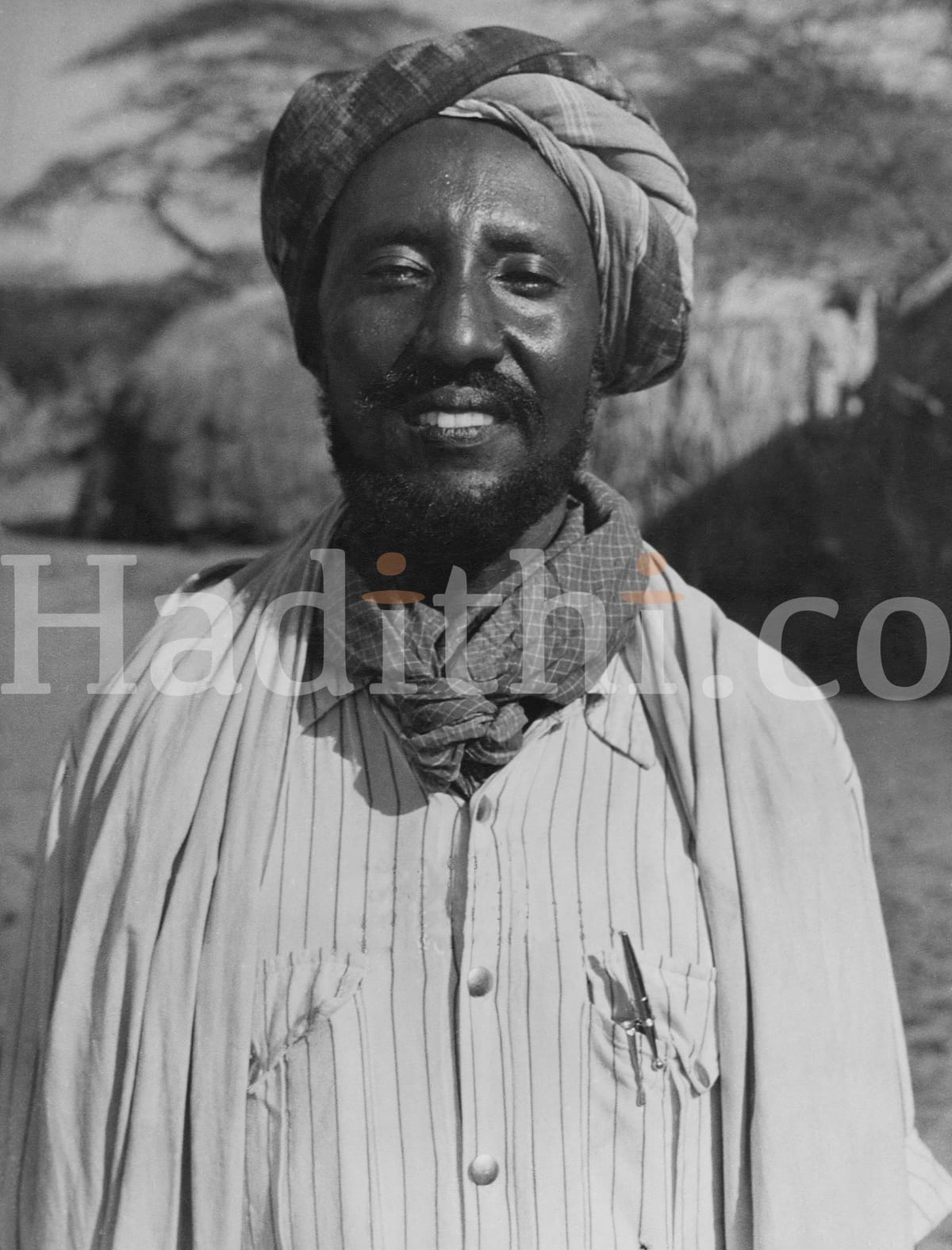
The history of northern Kenya is often told through the experiences of large and politically visible pastoral communities such as the Borana, Somali, and Rendille. These groups dominate both academic literature and popular narratives, shaping how the region’s past is understood. Smaller communities that lived alongside them, shared resources, and participated in the same historical processes are frequently absorbed into broader ethnic categories or excluded altogether. One such community is the Sakuye, a small semi-nomadic pastoralist group found mainly in Marsabit and Isiolo counties.
Although the Sakuye have lived in northern Kenya for centuries and participated in major regional transformations, their history remains underrepresented. They are often described as a subgroup of the Borana or as former Rendille or Somali affiliates, rather than as a community with its own historical agency. The Sakuye should not be seen as a minor or forgotten group, but as a community that actively adapted to changing political relationships, economic challenges, and cultural transformations
By examining Sakuye origins, social organisation, religious life, and experiences during and after the Shifta War, this article shows how marginal communities adapt to survive in hostile political and ecological environments. The Sakuye case demonstrates that marginality is not simply the result of small population size but a product of historical processes that shape recognition, power, and belonging.
Locating the Sakuye: Population, Language, and Environment
The Sakuye are a numerically small community within Kenya. According to the 2019 Population and Housing Census conducted by the Kenya National Bureau of Statistics, the Sakuye population is approximately 27,000, although some estimates suggest a slightly higher figure. Most Sakuye live in the Dabel area of Marsabit County and in parts of Isiolo County, with smaller populations scattered in Tana River County and across the border in southern Ethiopia.
The environment in which the Sakuye live is arid and unpredictable, characterised by low rainfall and frequent droughts. Historically, survival in this region depended on mobility, flexible social organisation, and strong inter-group alliances. Like many pastoralist communities in the Horn of Africa, the Sakuye relied primarily on camel herding, supplemented by goats and sheep. Camels were particularly well suited to the dry conditions and formed the backbone of the Sakuye economy and social status.
Linguistically, the Sakuye speak Afaan Oromo, specifically the Borana dialect. This has often led to their classification as part of the Borana-Oromo cluster. However, language adoption does not necessarily imply ethnic origin. In the case of the Sakuye, language functioned as a political and economic tool that facilitated coexistence with dominant neighbours while masking a more complex historical background.
Origins and Historical Formation
The origins of the Sakuye are complex and show how flexible identity can be, in pastoral communities. Oral stories and research suggest that the Sakuye came from Somali related groups, especially the Garre and Biimal clans, and later lived for some time among the Rendille near Mount Marsabit. Over time, they separated from the Rendille and moved northwards into areas dominated by the Borana.
It was the Borana who gave them the name “Sakuye,” meaning “people of Saaku,” referring to the Marsabit region. This naming is significant because it shows how identity was often assigned externally rather than self-defined. As Günther Schlee argues, pastoral identities in the Horn of Africa are not just based on who their ancestors are. Instead, their identity is shaped by how they move across the land, the alliances they make with other groups, and the economic roles they take on. Thus the Sakuye became known not for where they came from, but for where they settled and how they lived.
This process shows an important idea in Sakuye history: their identity is shaped by adaptation. Instead of sticking to strict ethnic rules, the Sakuye changed their connections and alliances to deal with political challenges and secure resources like grazing land, water, and safety. This flexibility helped them survive, but it also led to their later marginalization, as their unique history became less visible within larger ethnic groups.
Incorporation into the War Liibin Federation
One of the most significant developments in Sakuye history was their incorporation into the Borana-led War Liibin Federation. This federation was a powerful pastoral alliance that dominated large parts of southern Ethiopia and northern Kenya between the sixteenth and early twentieth centuries. It functioned as a political and military structure that regulated access to pasture, water, and trade routes.
For the Sakuye, joining the federation was both a necessity and a compromise. As a small community, remaining outside such an alliance would have exposed them to raids and exclusion from vital resources. By aligning with the Borana, the Sakuye gained protection but had to accept Borana political leadership and cultural influence. This included adopting the Borana dialect of Oromo and aligning with Borana pastoral norms.
However, incorporation did not mean complete assimilation. The Sakuye retained a distinct economic role as camel herders, which reduced competition with Borana cattle pastoralism. They also maintained internal social rules, particularly strict endogamous marriage practices, meaning that the community only allowed its members to marry within the group rather than marrying outsiders. This wasn’t just about love or preference; it was a social rule designed to keep the group together, maintain cultural traditions, and protect their identity.
Social Organisation, Marriage, and Housing
The Sakuye community has historically been structured around clan membership, patriarchal authority, and strong internal cohesion. Major clans include Migo, Warswa, Harswa, Ilani, Madarba, Dele, Ora, and sometimes Wartura. Clan identity has long guided marriage, inheritance, and social responsibilities, helping the Sakuye maintain stability and cohesion in a multi-ethnic region. Marriage practices, in particular, have been central to sustaining community identity. Women traditionally were not allowed to marry outside the Sakuye, while men often practiced polygamy, strengthening family networks, labour capacity, and economic ties.
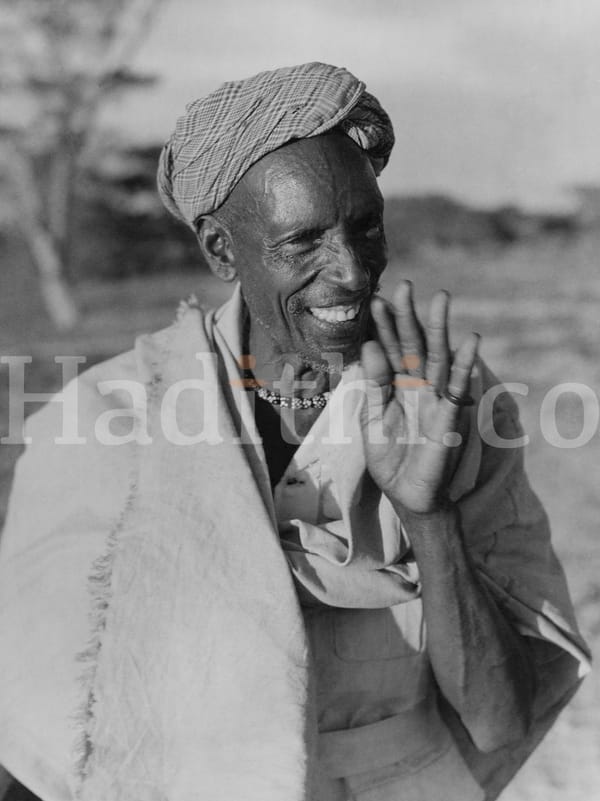
Sakuye marriage is highly structured and patrilineal, typically initiated by the groom's family and overseen by elders. Families conduct detailed background checks to prevent unions with prohibited clans, ensuring social cohesion and adherence to traditional norms. The bridewealth, usually in camels or livestock, symbolizes both economic exchange and social alliance between families. Ceremonial practices, such as bride seclusion, distinctive hairstyles, and the wearing of the MelMel headband or Shabat, signal marital status and reflect the blending of Islamic influences with traditional pastoralist customs. These practices reinforce cultural continuity and community identity.
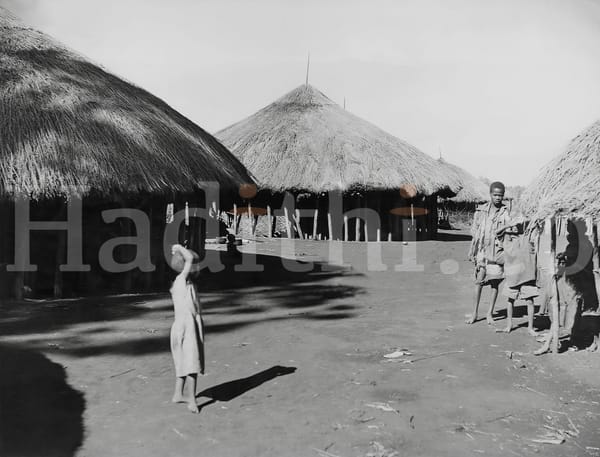
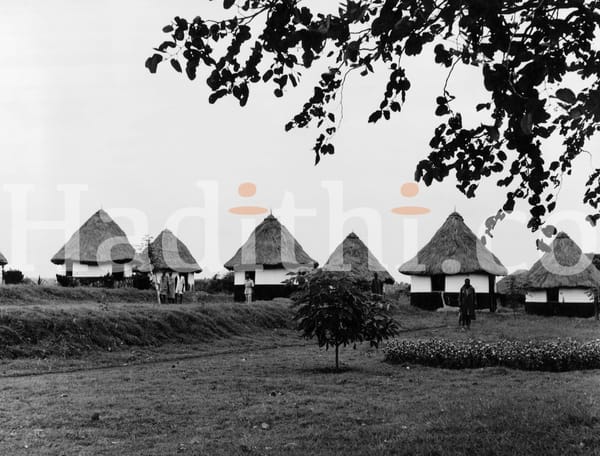
Housing for the Sakuye reflects their semi-nomadic lifestyle, with traditional homesteads (bomas) organized around three types of portable structures: the dome-shaped dasee, the conical guutole, and the rectangular arishi. Constructed from sticks, hides, and mats, these homes allow for mobility while expressing gender roles, social organization, and cultural values.
Together, clan-based organization, strict endogamous marriage, polygamy, and portable housing illustrate how the Sakuye have historically maintained social, economic, and cultural cohesion, while also adapting to environmental pressures and broader political and economic changes in northern Kenya.
Religion and Cultural Continuity
The Sakuye had a monotheistic faith, that is, they believed in the existence of a single, supreme deity or God, known as Waaq, who was a God of the sky, and he was also shared by other Cushitic-speaking peoples of the Horn of Africa. This was a belief system popularly known as Waaqeffannaa, and it entailed the use of prayers and sacrifices at natural places of worship, particularly at certain trees that were said to be used to help in communication between humans and gods. Historically, the religious authority was practised by the institution of Qallu (Qaalluu), which in Oromo religious tradition is the supreme religious authority. Qallu was considered a man of peace, moral order, fertility and social harmony on earth and representative of Waaqa (God). The institution is also present among the Borana Oromo, who have close cultural and linguistic connections with the Sakuye and was central to the direction of ritual life and communal decision-making. The ceremonies took place in the major ceremony centres like Dabel in northern Kenya and the sacred sites such as the Gamo shrines where the elders conducted prayers and sacrifices in order to request protection against drought, disease and other disasters. Sacred materials like jawwar, which was a white salty soil, were used to treat human beings and animals.
In the early twentieth century, the spread of Islam among the Sakuye took place mostly due to the prolonged interaction with Somali traders, Islamic teachers, and neighbouring Muslim communities. Most of the Sakuye today identify themselves as Sunni Muslims and practice the fundamental Islamic roles, such as praying daily, fasting during Ramadan, and following Islamic moral teachings. Nevertheless, the conversion to Islam did not destroy the previous religious traditions. Rather, a form of syncretic religious system emerged whereby Islamic ideas coexist with the more ancient cultural traditions like respect for traditional elders, adherence to spiritual forces (ayana), and the use of symbols of the Qallu institution. These symbolic remnants in the Sakuye context are not an indication of the existence of an office of a formal Qallu that has political or ritual power, as we find it among the Borana of the past. Instead, they refer to the persistence of cultural values of older spiritual frameworks in the form of ritual memory, moral authority, and customary practice.
The Qallu is no longer an institutionalised priest-diviner position within the life of the Sakuye, but the elders who lead non-Islamic rites of passage, manage sacrifices in sacred areas, or facilitate the rites of passage remain respected. These people are not seen as Qallu in the traditional sense of the word, but they represent the elements of the previous spiritual leadership between the community, the ancestral traditions and the spiritual world. This fusion of religious customs is part of the larger trend in recent pastoral societies in northern Kenya, in which Islam did not displace but instead became part of other working cultural systems. In the case of the Sakuye, the phenomenon of religious syncretism has enabled them to associate with the broader regional Islamic identities whilst maintaining some strands of their indigenous spiritual identity, which has enhanced the bond of the community, continuity of the culture, and identity of the Sakuye among the marginalised and assimilated culture.
The Shifta War and the Collapse of Pastoral Life
The most traumatic event in modern Sakuye history was the Shifta War (1963–1967), a secessionist conflict in Kenya’s Northern Frontier District, now primarily comprising the Garissa, Wajir, Mandera, Marsabit, and Isiolo counties. Although the conflict was primarily driven by Somali nationalism, centred mostly on ethnic Somali desires to be united with the newly independent Somali Republic under the vision of “A Greater Somalia” which was as a result of colonial jurisdictions that separated Somali people in the British, Italian, and the original fear of political and economic marginalisation by the post-independence Kenyan state.
The Sakuye, Boran and Rendille communities were drawn into the violence due to geography, religion, and political suspicion.In most cases, their involvement was not ideological but the result of coercion, suspicion by the state, and indiscriminate counter-insurgency policies. The Kenyan government labelled the rebels shifta (meaning "bandits"), a term that framed the conflict as criminal rather than political and justified harsh security measures across the region.
The impact on the Sakuye was devastating. Wars, raiding of cattle and army activities caused the death of almost all their livestock especially the camels whose existence was the base of their economy, social standing and cultural background. This forced an already impoverished Sakuye to live in poverty and could no longer afford a nomadic pastoral life.
In the aftermath, the Sakuye shifted toward subsistence farming, wage labour, and reliance on famine relief. This transition marked a profound social transformation. Loss of livestock not only meant economic hardship but also undermined traditional authority, social status, and cultural practices tied to pastoralism. The war thus represents a turning point that reshaped Sakuye society in lasting ways.
Post-Independence Marginalisation and Contemporary Challenges
Following independence, northern Kenya remained politically and economically marginalised. State investment in infrastructure, education, and health services was limited, particularly for small communities like the Sakuye. Their small population size and lack of political visibility meant they were often excluded from development planning and compensation schemes.
Despite these challenges, the Sakuye have continued to preserve aspects of their cultural identity. Community efforts to maintain clan organisation, marriage rules, and cultural festivals demonstrate resilience rather than cultural stagnation. At the same time, younger generations navigate new realities shaped by education, settlement, and engagement with the national economy.
The Sakuye experience highlights how historical marginalisation continues to shape present-day inequalities. Their story also raises broader questions about recognition, representation, and justice for smaller communities whose contributions and suffering are often overlooked in national narratives.
Conclusion
The Sakuye narrate that the history of the northern part of Kenya cannot be explained in terms of its dominant pastoral communities. The Sakuye, with their complicated histories within Somali-related clans to integration into the Borana-dominated War Liibin Federation, was able to negotiate the alliances, social responsibilities, and economic conditions to be able to survive in the hostile environment. Being highly organised on clan lines, endogamous in their marriage and specialised in camel pastoralism kept them together and gave them their identity as they continued to adjust to the shifting realities of politics and the ecology.
The Shifta War (1963-1967) and marginalisation in the post-independence period redefined Sakuye society, killing of livestock, sedentarization and the end result was the creation of common socioeconomic deprivation. However, their persistence in the culture traditions, assimilation of the Islamic culture and maintenance of the social structure prove the resilience of the community. The Sakuye case demonstrates that marginality is simply not historic, but an end result of negotiation, survival and persistence of cultural continuity. it demonstrates that smaller, often neglected communities are instrumental in the development of the social and political ideology of the region.
References / Works Cited
Kenya National Bureau of Statistics. 2019 Kenya Population and Housing Census, Volume IV: Distribution of Population by Socio-Economic Characteristics. Nairobi: KNBS, 2020.
Schlee, Günther. “Interethnic Clan Identities among Cushitic-Speaking Pastoralists.” Africa 55, no. 1 (1985).
Schlee, Günther. Kinds of Islam and Policies of Inclusion and Exclusion: Comparative Perspectives from the Sudan and Beyond. Deutsche Forschungsgemeinschaft Project Report, 1999.
Behr, Agnes Wanjiru (2018). Border, Identity and (In) Security: The Kenya-Somalia Border 1963–2016 (PhD thesis). United States International University Africa.
Broch-Due, Vigdis (2005). Violence and Belonging: The Quest for Identity in Post-colonial Africa. 1st ed. London: Routledge.
Hogg, Richard (1986). "The New Pastoralism: Poverty and Dependency in Northern Kenya."
Khalif, Zeinabu Kabale; Oba, Gufu (2013). "'Gaafa dhaabaa - the period of stop': Narrating impacts of shifta insurgency on pastoral economy in northern Kenya, c. 1963–2007."
Weitzberg, Keren (2017). We Do Not Have Borders: Greater Somalia and the Predicaments of Belonging in Kenya. Athens, Ohio: Ohio University Press.
Whittaker, Hannah Alice (2012). "The Socioeconomic Dynamics of the Shifta Conflict in Kenya, c. 1963–8."
Whittaker, Hannah (2014). Insurgency and Counterinsurgency in Kenya: A Social History of the Shifta Conflict, c. 1963–1968. Brill.
Kenya National Bureau of Statistics (2020). 2019 Kenya Population and Housing Census, Volume IV: Distribution of Population by Socio-Economic Characteristics. Nairobi: KNBS.
Ethnologue. “Oromo, Borana–Arsi–Guji.”